


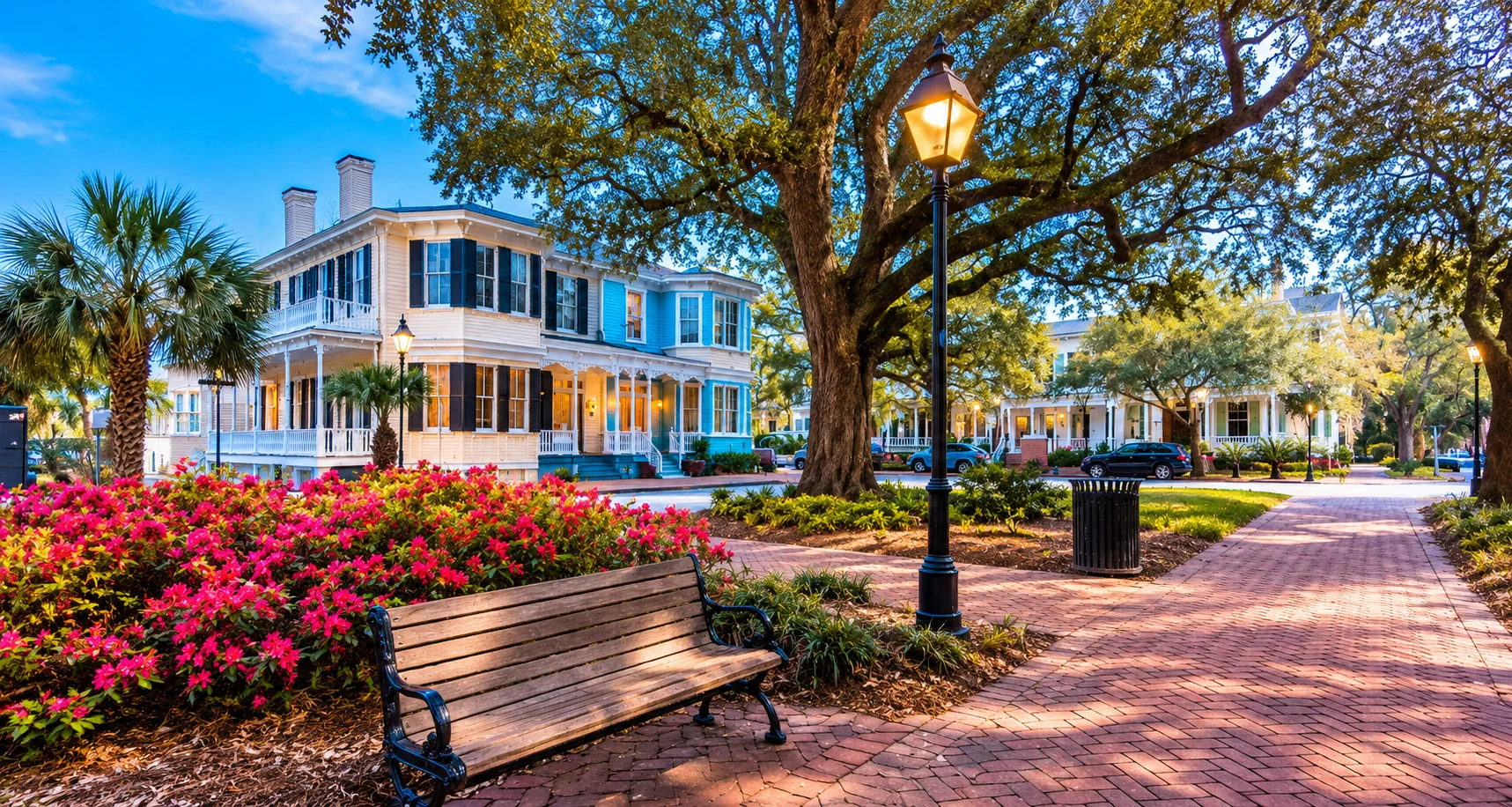
Savannah is a city you explore on foot, under a ceiling of live oaks and Spanish moss, and the best things to do in Savannah mostly come down to slowing down enough to notice it. Start with a walk through the historic squares and Forsyth Park, spend an evening on River Street, drive out to the oak avenue at Wormsloe, and wander Bonaventure Cemetery in the late afternoon light. Add a house museum or two, a ghost tour, a proper Lowcountry meal, and a day at Tybee Island, and you have the trip most first-time visitors come home raving about. Below are the 10 picks worth building your plans around, with hours, prices, and timing tips so you can fit them into a weekend or a slower week.
Quick list: the 10 best things to do in Savannah
| # | Activity | Cost | Time needed |
|---|---|---|---|
| 1 | Walk the historic squares | Free | Half a day |
| 2 | Forsyth Park and its fountain | Free | 1 to 2 hours |
| 3 | River Street and Factors Walk | Free to stroll | An evening |
| 4 | Bonaventure Cemetery | Free | 1.5 to 2 hours |
| 5 | Wormsloe State Historic Site | $12 adults | 2 to 3 hours |
| 6 | Historic house museums | Varies, about $15+ | 1 hour each |
| 7 | A ghost tour | Paid tours | 1.5 to 2 hours |
| 8 | Lowcountry food | Varies | Every meal |
| 9 | Cathedral Basilica of St. John the Baptist | Free (donation welcome) | 30 to 45 minutes |
| 10 | Day trip to Tybee Island | Parking and lighthouse fees | Full day |
1. Walk Savannah’s historic squares
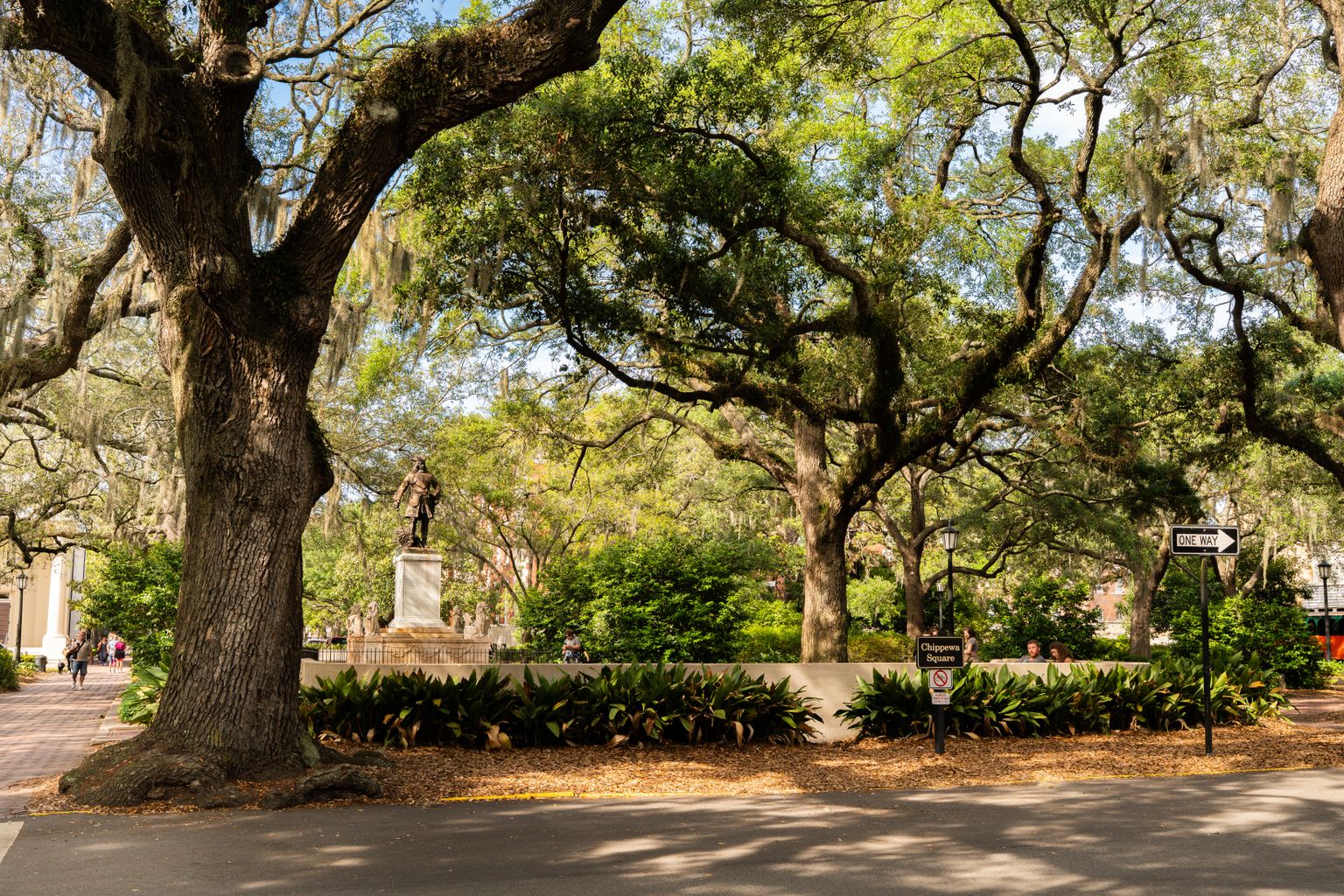
If you only do one thing, do this. James Oglethorpe laid out the city in 1733 as a grid of wards, each built around a small public square, and 22 of those squares survive today inside the Savannah Historic District, a National Historic Landmark since 1966. Each square has its own monument, benches, and shade, and walking from one to the next is the easiest way to see the city’s architecture up close.
Squares worth slowing down for
- Chippewa Square, where the bench scenes in Forrest Gump were filmed. The prop bench itself is not there anymore; it lives in the things to do in Savannah History Museum.
- Monterey Square, often called the prettiest of the lot, home to the Mercer Williams House.
- Madison Square, surrounded by grand homes and close to good coffee and bookshops.
- Lafayette Square, which faces the Cathedral of St. John the Baptist.
Walk the length of Bull Street from the river down to Forsyth Park and you will pass through five squares in about 20 minutes, though you will probably stop a lot more than that. Morning is best: cooler air, softer light, and fewer tour groups.
2. Spend a morning in Forsyth Park
At the southern end of Bull Street, Forsyth Park covers 30 acres and is the city’s backyard. The white cast-iron fountain, installed in 1858, is the most photographed spot in Savannah, so get there early if you want a clean shot. Beyond the fountain you will find long shaded paths, a Fragrant Garden, sports courts, and plenty of lawn for a picnic.
On Saturday mornings the Forsyth Farmers’ Market sets up at the south end of the park with local produce, baked goods, and coffee. Pair it with a lazy loop of the park and you have one of the best free things to do in Savannah.
3. Stroll River Street and Factors Walk
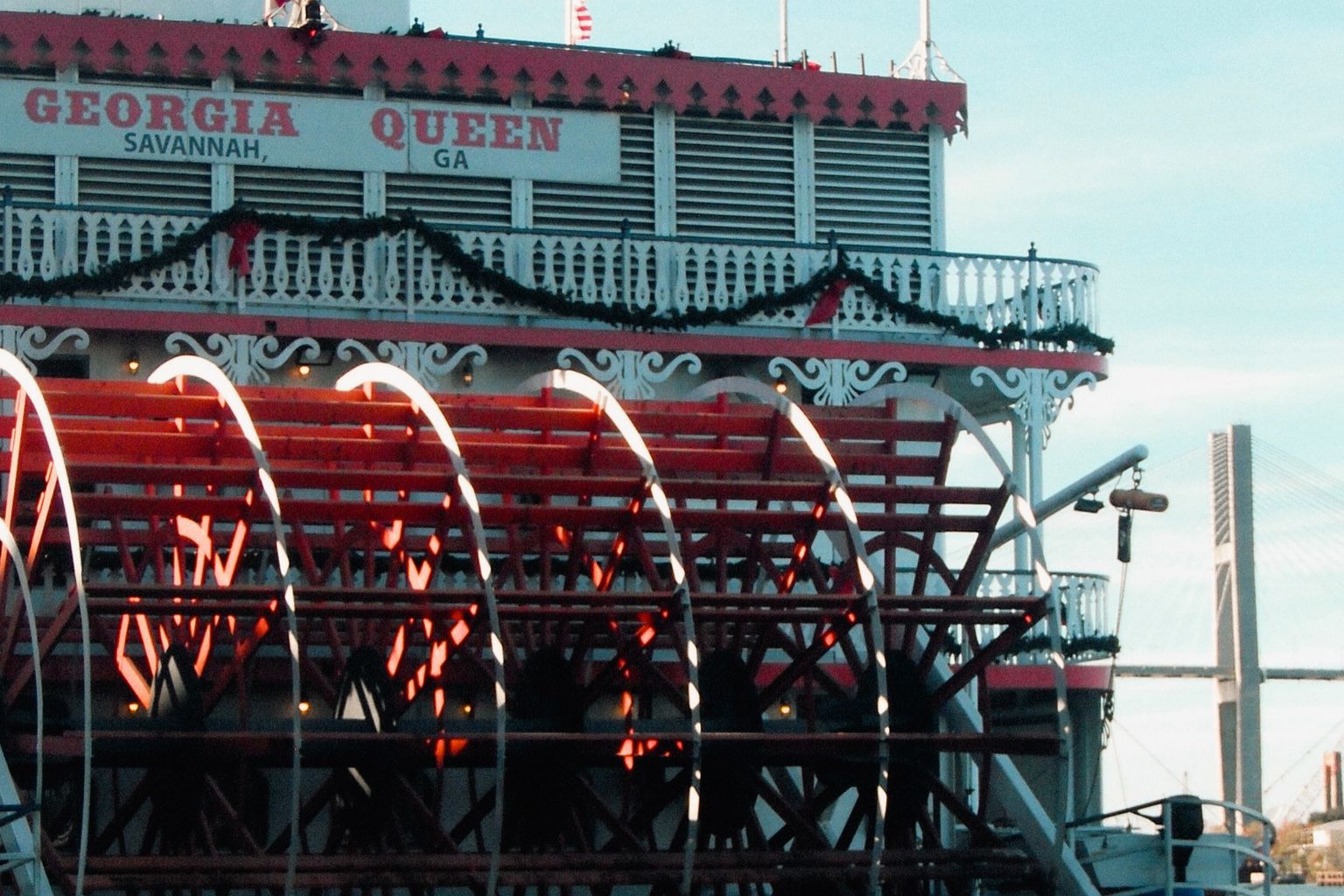
River Street runs along the things to do in Savannah River on uneven cobblestones, lined with old cotton warehouses that now hold restaurants, bars, candy shops, and galleries. Wear flat shoes; the stones are rough and the ramps down from Bay Street are steep. Above it, Factors Walk is a maze of iron bridges and narrow lanes where cotton brokers once worked.
What to do on River Street
- Find the Waving Girl statue honoring Florence Martus, who greeted passing ships for decades.
- Take a riverboat cruise for a different angle on the waterfront and the Talmadge Bridge.
- Grab pralines from one of the candy shops, where you can usually watch them being made.
- Stay for sunset, when the cargo ships slide past surprisingly close.
One local quirk: Things to do in Savannah allows open containers in much of the historic district, as long as the drink is in a plastic cup of 16 ounces or less. Bars will pour your drink into a to-go cup when you leave. Public intoxication laws still apply, so treat it as a perk, not a challenge.
4. Wander Bonaventure Cemetery
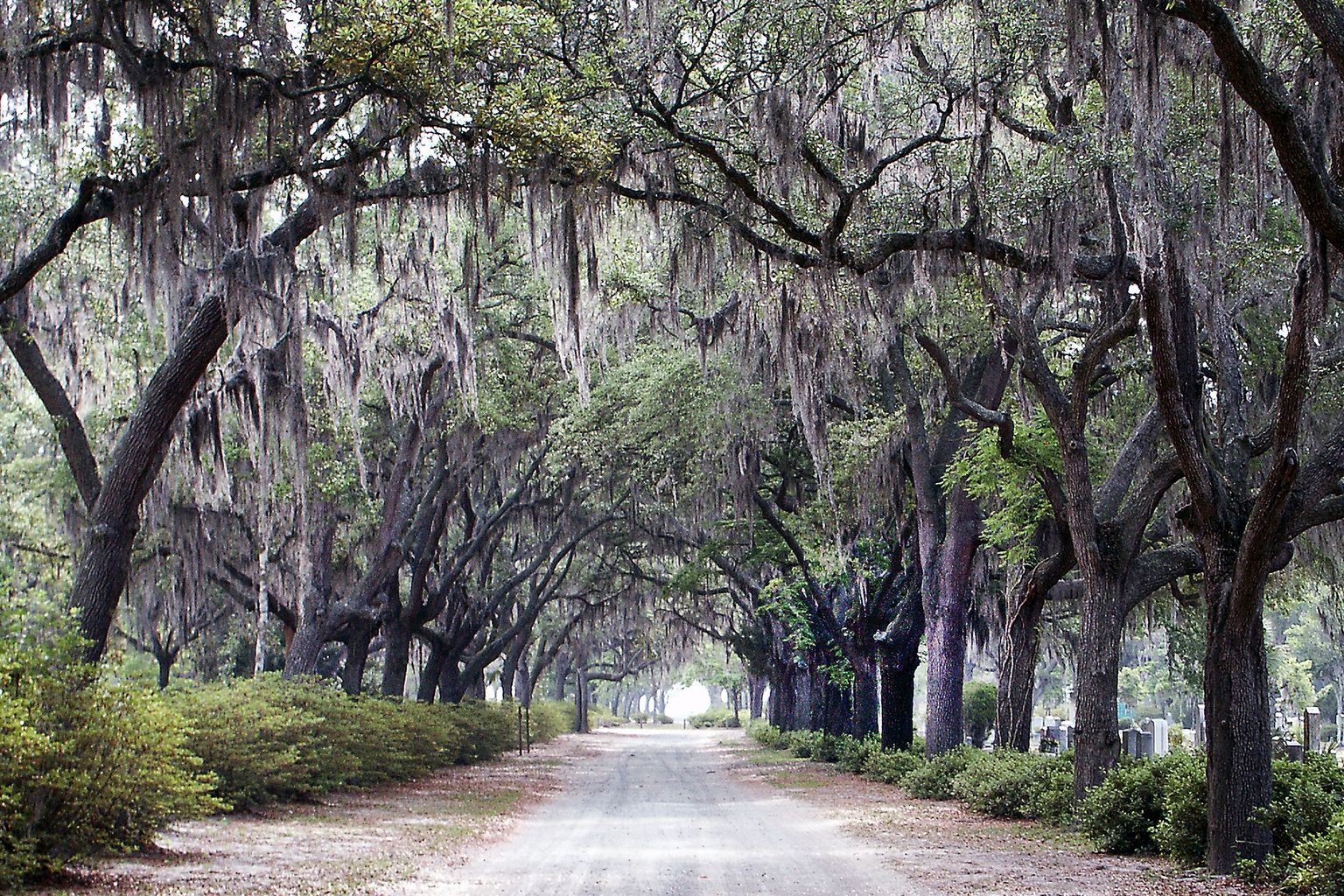
Bonaventure sits on a bluff over the Wilmington River, about 15 minutes east of downtown, and it is one of the most atmospheric places in the South. Moss-heavy oaks arch over winding lanes, and the old marble statues and family plots feel more like a sculpture garden than a graveyard.
It became famous through Midnight in the Garden of Good and Evil, and it is also where songwriter Johnny Mercer and poet Conrad Aiken are buried. The Bird Girl statue from the book’s cover was moved off the grounds years ago and is now displayed at the Telfair Academy downtown.
Practical details: Bonaventure Cemetery is at 330 Bonaventure Road, open daily from 8 a.m. to 5 p.m., and admission and parking are free. The Bonaventure Historical Society runs free volunteer-led tours on the second Sunday of each month, and the cemetery has maps if you want to find specific graves. Late afternoon light here is lovely, but keep an eye on the clock, because the gates close at 5.
5. Drive the oak avenue at Wormsloe
Wormsloe is the photo you have probably already seen: a long, straight dirt road with more than 400 live oaks meeting overhead. The avenue runs about a mile and a half to the remains of a colonial estate, and the tabby ruins of Noble Jones’s fortified house date to around 1745.
Beyond the avenue there is a small museum, a reconstructed colonial life area, and a 7-mile nature trail along the marsh.
Practical details: Wormsloe State Historic Site is at 7601 Skidaway Road, about 20 minutes south of downtown. It is open daily from 9 a.m. to 4:45 p.m. (closed Thanksgiving and Christmas Day). Admission is $12 for adults, $9 for seniors 62+, $5.75 for ages 6 to 17, and $3.25 for kids under 6, per Georgia State Parks. Cars can only drive the avenue at a crawl, and you cannot stop on it, so if you want photos, park and walk back.
6. Tour a historic house museum
Savannah’s grand homes are just as interesting inside, and each one tells a different part of the city’s story.
Mercer Williams House Museum
The Italianate mansion at 429 Bull Street on Monterey Square is the home at the center of Midnight in the Garden of Good and Evil. Antiques dealer Jim Williams bought it in 1969 and restored it, and the guided tour covers his collection of furniture, art, and porcelain. Tours run roughly every 20 to 40 minutes, Monday through Saturday from 10:30 a.m. and on Sunday from noon, with the entrance on Whitaker Street.
Owens-Thomas House and Slave Quarters
Run by Telfair Museums at 124 Abercorn Street, this Regency-style house is one of the most honest historic home tours in the South. The tour gives real attention to the enslaved people who lived and worked on the property, not just the family who owned it. One Telfair ticket covers all three Telfair sites (including the Telfair Academy and the Jepson Center) and is valid for a week, so you can spread visits across your trip.
Juliette Gordon Low Birthplace
The founder of the Girl Scouts was born at 10 E. Oglethorpe Avenue. It is open daily from 10 a.m. to 4 p.m., with adult tickets at $15 and students, seniors, and active military at $12. Book ahead in spring, when visiting troops fill tours quickly.
Prices and tour times change, so check each museum’s website before you go.
7. Take a ghost tour after dark
Savannah has a reputation as one of the most haunted cities in America, and whether you believe a word of it or not, a ghost tour is a fun way to hear the city’s darker history: yellow fever outbreaks, duels, fires, and the burial grounds that now sit under busy streets and squares.
You can choose from walking tours, trolley tours, hearse tours, and pub crawls that mix ghost stories with stops at old taverns. Walking tours are the best value and let you see the squares lit up at night. Pick one with good recent reviews and a guide who leans into history, not just jump scares.
8. Eat your way through Lowcountry food
Food is a big reason people come back to things to do in Savannah . The local cooking leans on Southern and coastal Lowcountry traditions, so look for shrimp and grits, fried green tomatoes, crab stew, and she-crab soup.
Places to put on your list
- Mrs. Wilkes’ Dining Room, a boarding-house-style lunch where strangers share big tables loaded with fried chicken, collards, and biscuits. Expect a line.
- The Olde Pink House, a dinner spot in an 18th-century mansion on Reynolds Square. Reserve ahead.
- Leopold’s Ice Cream on Broughton Street, serving scoops since 1919. The line moves faster than it looks.
- City Market for casual food, live music, and art galleries in a few pedestrian blocks.
If you are traveling with a group of adults, a food tour is a good way to sample several places in one afternoon without committing to full meals.
9. Step inside the Cathedral Basilica of St. John the Baptist
Facing Lafayette Square, this French Gothic cathedral with twin spires is one of the most striking buildings in the city, and the interior is even better: stained glass, painted ceilings, and a quiet that feels miles away from River Street. Entry is free, with a donation welcome. It is an active church, so dress respectfully and check the schedule, as visits pause during Mass.
10. Take a day trip to Tybee Island
When you have had your fill of history, Tybee Island is about 18 miles east of downtown, roughly a 30-minute drive. It is things to do in Savannah beach town, low-key and a little quirky.
Things to do on Tybee
- Climb the Tybee Island Light Station, Georgia’s oldest and tallest lighthouse, for views over the beach and marsh.
- Walk the Tybee Pier and Pavilion on the south end.
- Book a dolphin-watching boat trip from the marina.
- Eat fresh seafood with your feet still sandy.
Parking on Tybee is paid almost everywhere, and summer weekends get crowded, so arrive early or go midweek.
How many days do you need in Savannah?
Two to three days is the sweet spot. Two full days covers the historic district, River Street, Forsyth Park, Bonaventure, and Wormsloe. A third day gives you time for a house museum or two and a relaxed meal, and a fourth lets you add Tybee Island without rushing.
A simple plan looks like this:
- Day 1: Historic squares in the morning, Forsyth Park, lunch, a house museum, River Street at sunset, ghost tour.
- Day 2: Wormsloe in the morning, lunch downtown, Bonaventure in the afternoon, dinner in the historic district.
- Day 3: Tybee Island, or more museums and slow wandering.
If you are short on time, a hop-on, hop-off trolley tour is the quickest way to get your bearings on day one.
When is the best time to visit Savannah?
Spring (March to May) is the classic choice: warm days, blooming azaleas, and the city at its prettiest. It is also the busiest and most expensive season. Fall (October and November) brings similar weather with fewer crowds, which makes it a strong option.
Summer is hot and very humid, with afternoon thunderstorms, so plan outdoor sightseeing for mornings and evenings. Winter is mild and quiet, with the lowest hotel rates. Avoid mid-March unless you want a party: Savannah’s St. Patrick’s Day celebration is one of the largest in the country, and hotels fill up and prices spike.
Free things to do in Savannah
Savannah is easy on the wallet if you plan around free sights:
- Walk all 22 historic squares
- Explore Forsyth Park and the Saturday farmers market
- Stroll River Street and Factors Walk
- Visit Bonaventure Cemetery
- Step inside the Cathedral Basilica of St. John the Baptist
- Browse the galleries in City Market
Getting around Savannah
The historic district is compact and flat, so walking is the best way to see it. Many streets are shaded, but bring water in warm months. For trips to Wormsloe, Bonaventure, and Tybee you will want a car or a rideshare. Parking downtown is metered, and garages are the easier option for a full day. The city also runs a free DOT shuttle around the historic district; check the current routes and hours before you rely on it.
Planning a bigger American trip? Our guide on how to travel the USA in 7 days or less helps you string several cities together, and these top road trip spots in North America are worth a look if you are driving the Southeast.
FAQs about things to do in Savannah
What is Savannah best known for?
Savannah is best known for its historic district, laid out in 1733 around a grid of public squares, plus its live oaks draped in Spanish moss, antebellum architecture, ghost stories, and Southern food.
What should I not miss in Savannah?
Do not miss the historic squares, Forsyth Park fountain, River Street, Bonaventure Cemetery, and the oak avenue at Wormsloe. Those five give you the best sense of the city in a short visit.
What can you do in Savannah in one day?
With one day, walk Bull Street from River Street to Forsyth Park, stopping in the squares along the way. Have lunch downtown, tour one house museum, and finish with dinner and a ghost tour.
Is Savannah walkable?
Yes. The historic district is flat and compact, and most top sights are within a 20 to 30 minute walk of each other. You only need a car for places like Wormsloe, Bonaventure, and Tybee Island.
What are fun things to do in Savannah for adults?
Adults tend to love the evening ghost pub crawls, rooftop bars along the river, food tours, and the open-container rule that lets you carry a drink between spots in much of the historic district.
Is Savannah worth visiting?
Yes, especially if you like history, architecture, and good food. It is one of the best-preserved historic cities in the United States, and it is small enough to enjoy without rushing.
Conclusion
The 10 best things to do in Savannah are mostly about time outdoors: walking the squares, lingering in Forsyth Park, watching the ships from River Street, and standing under the oaks at Wormsloe and Bonaventure. Add a house museum, a ghost tour, a few long Southern meals, and a beach day on Tybee, and two or three days will feel full without feeling rushed. Hours and prices change, so check them before you go, then leave room in your plan to wander. If you are planning more city breaks, browse more trip ideas on My Travelling Guide, or see our list of 10 things to do in Los Angeles for another U.S. stop.
